Life on board
The Mary Rose dates from an extremely important time in English history, when the technology of guns, gunpowder and shipbuilding was changing. Thanks to the high standards of preservation of artefacts, we can learn a lot from her.
Many archaeological sites from the past have been filtered by the society that made them. For instance, graves or ritual sites only contain a small fraction of day-to-day objects. However, the Mary Rose enables us to see day-to-day life in all its wonderful detail.
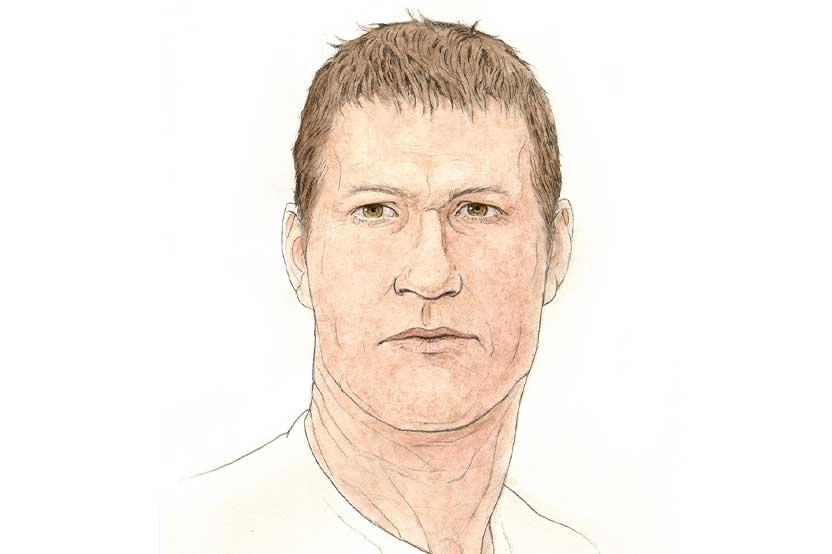
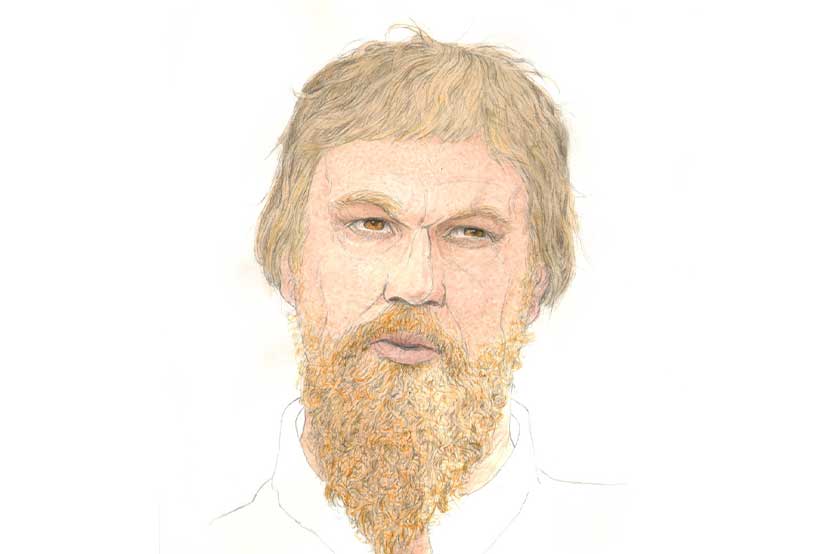
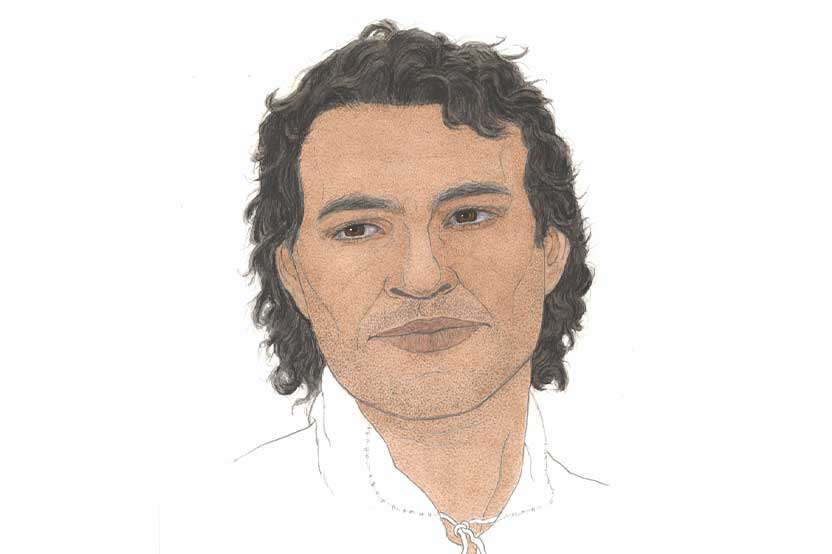
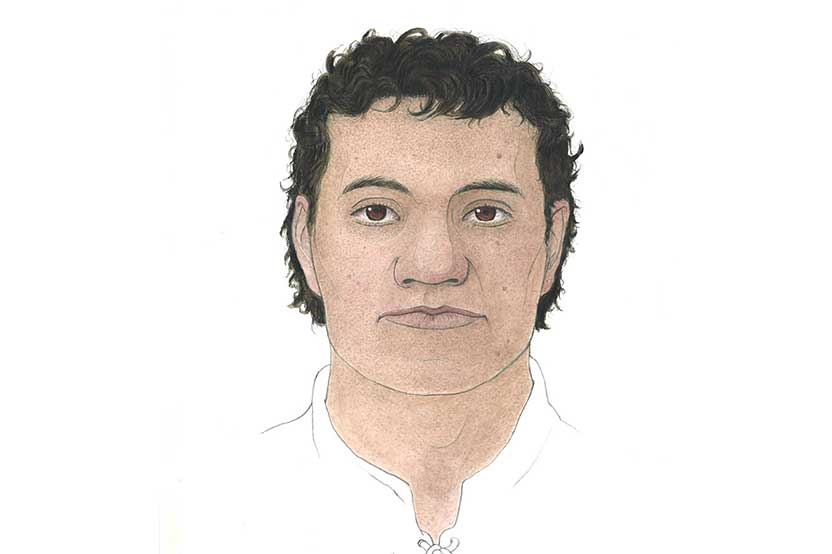
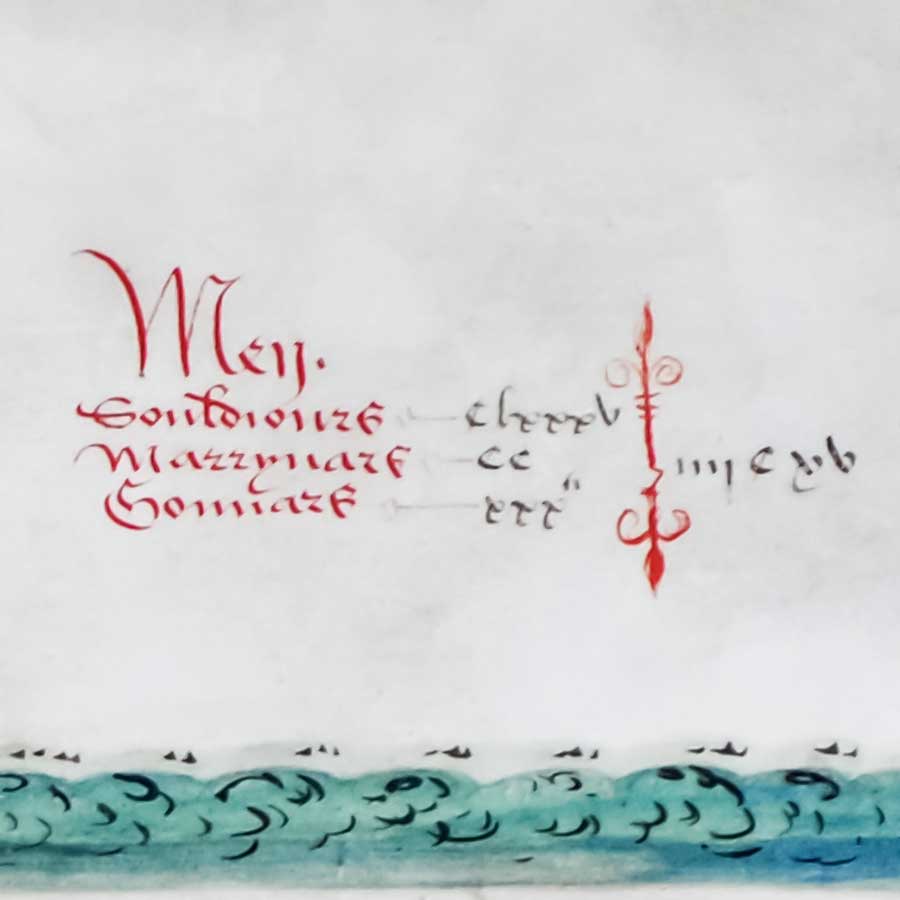
The first recorded crew list for the Mary Rose dates back to 1513 and consists of mariners, soldiers and gunners. Servants also appear on some of the later pay rolls. The artefacts found on board give us a unique insight into what their life was like.
There were 415 crew members listed in 1513, but during wartime operations there would have been more soldiers on board, with numbers perhaps swelling to around 700 men in total. Even with the normal crew size of around 400, conditions would have been very crowded.
The Mary Rose was the crew’s home and their workspace. As the ship wasn’t blown apart but simply sank into very fine silt, a lot of their possessions are very well preserved, including wood, leather, human and animal bones.
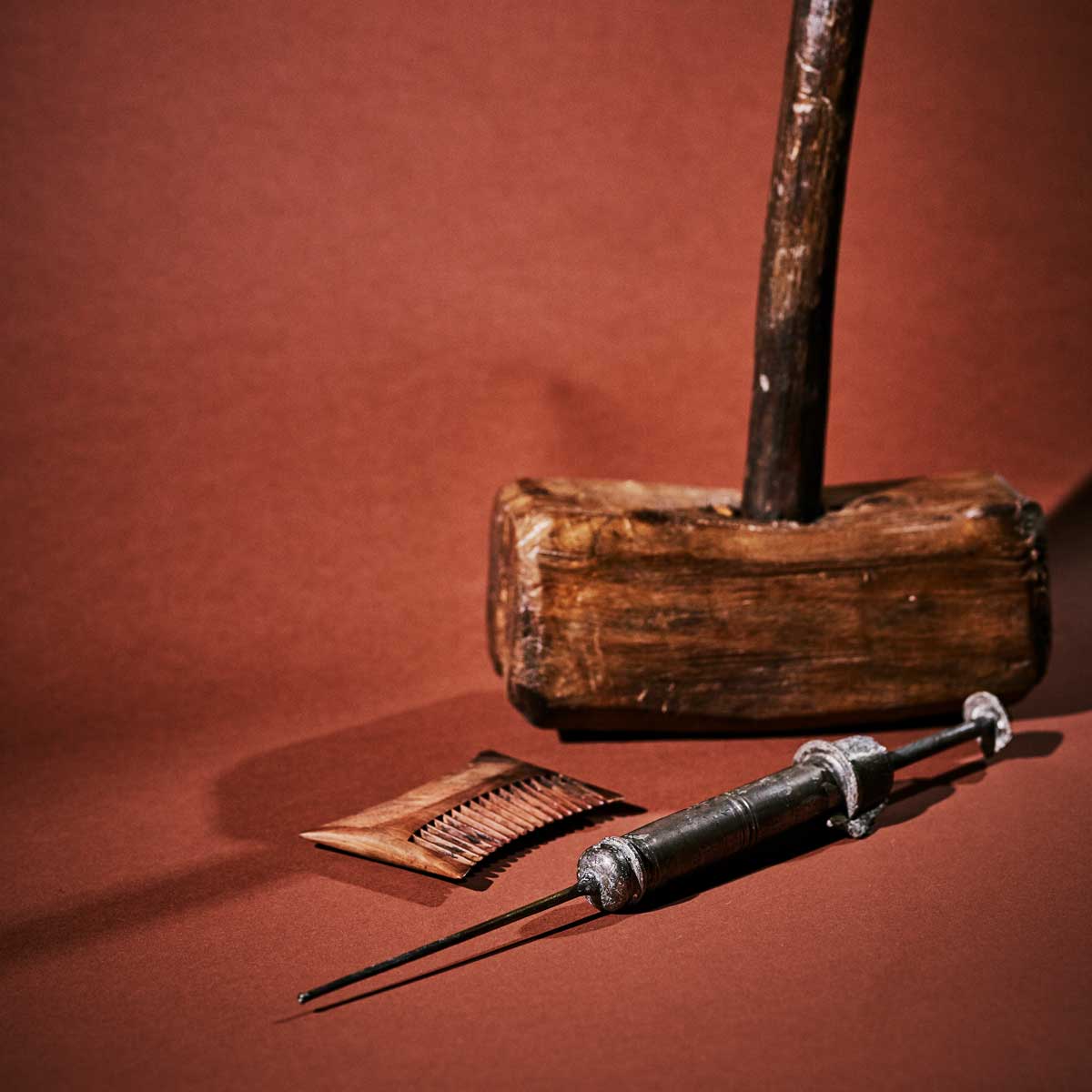
We were able to recover a number of chests from the site, so we could study collections of objects and ascertain which crew members might own which possessions. There were a number of professional objects, such as the tools owned by onboard carpenters, or the ointments and medicine flasks used by the surgeon.
One other unique aspect of the objects found on board is the huge numbers of identical objects, such as 6,600 arrow bits, or the large number of wooden dishes. Having so many similar artefacts enables historians to study the standards of production and the quality of goods manufactured at a specific time.
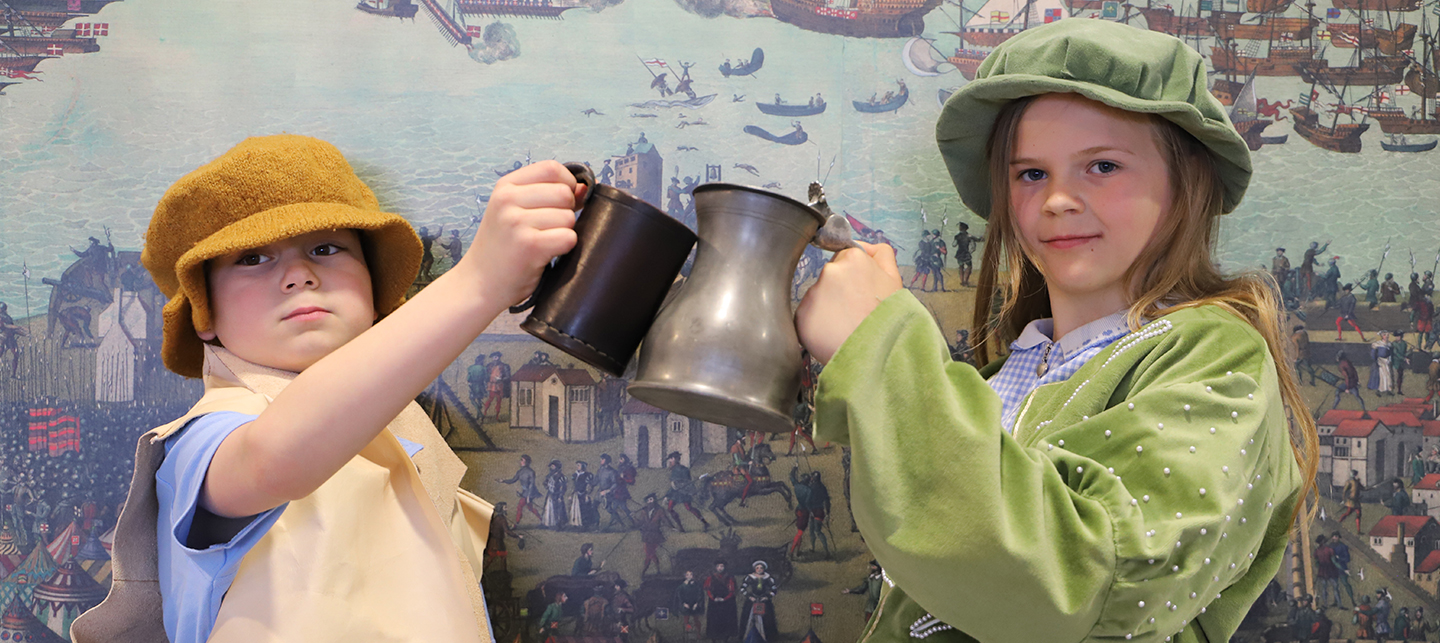
Fine pewter dishes, plates, tankards and spoons were found on the wreck, which were probably used by the officers. However, the site also contained lots of wooden bowls, dishes, plates and tankards, which are an extremely important find as these kinds of everyday domestic objects were normally just thrown away rather than kept for posterity.
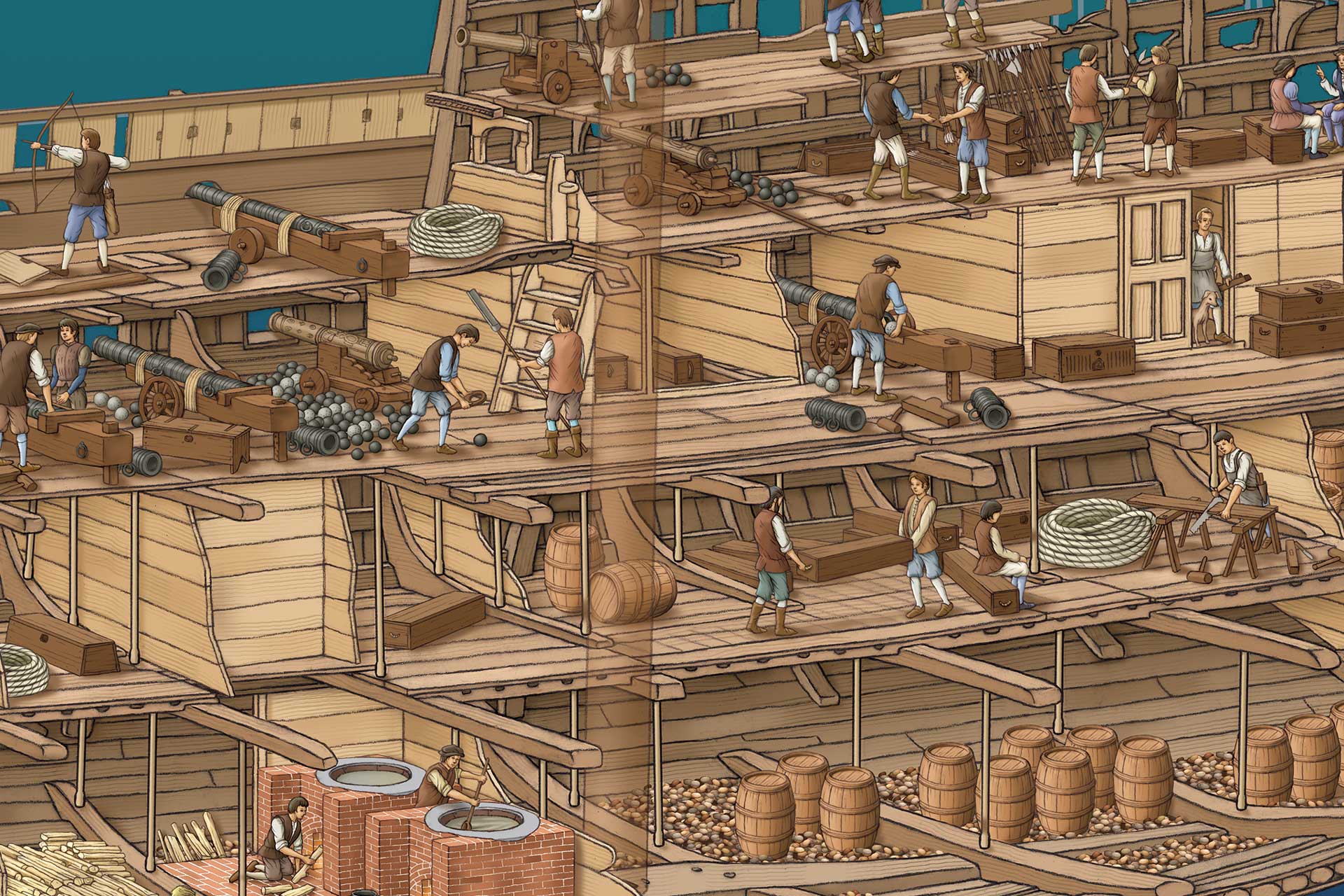
In the galley, down in the hold just in front of the step for the main mast, were two massive brick ovens. The crew’s food was cooked here in two large cauldrons supported on iron bars over a fire box. Smaller bronze, iron and ceramic cooking pots were also found nearby.
The excavation also found casks containing meat bones, both cattle and pig. It looks as if the animals were butchered to meet certain standards – for instance, there were no marrow bones as presumably they would have gone off more quickly than other bones.
The food remains were analysed early on in the excavation and give historians an invaluable insight into how much food was needed to run a ship like the Mary Rose.
The findings have enabled ‘experimental archaeology’, where experts recreate the cooking facilities and the type and variety of meals that might have been on the Mary Rose.
Very little is known about the clothing worn by everyday people in Tudor times. Paintings depict people in court dress or special occasions. The Mary Rose gives us a unique insight into the day-to-day clothes of ordinary people.
Deeply buried in the silt, wool, silk and leather survived well but sadly garments of linen have almost entirely disappeared. So the Mary Rose gives us an excellent collection of leather shoes, jerkins and knitted garments, but no undergarments as they would have been made of linen.
One particularly important find is the collection of over 500 shoes. This allows historians to understand more about the particular style of shoe being worn at a specific time.
The objects found in the wreck show that in their spare time the men relaxed with books, music and games. Divers found a fine wooden backgammon set which still had some of its counters. There was also a nine men’s morris board scratched into the end of a barrel. Eleven dice made of bone were discovered in chests, which is to be expected as gaming was popular in the Tudor period.
Musical instruments were also amongst the artefacts found on the Mary Rose. Three tabor pipes and a tabor, or drum, were found among personal chests on the orlop deck. A musician would have played a melody on the pipe while beating the rhythm on the drum with his other hand. Fragments of two fiddles were also found on board.
The most exciting musical discovery was a shawm, an early form of oboe. This is the earliest one of its kind and is unique in having an extra hole for the thumb, giving it a wider musical range than later shawms. Perhaps there was a band of musicians on board the Mary Rose, employed to provide entertainment.
Leather book covers have survived, although the paper pages have long since disappeared. Quill pens and ink pots were also found. But not everyone could read and write, which is why some objects are marked with their owner’s graffiti, a personal mark to show they own something.
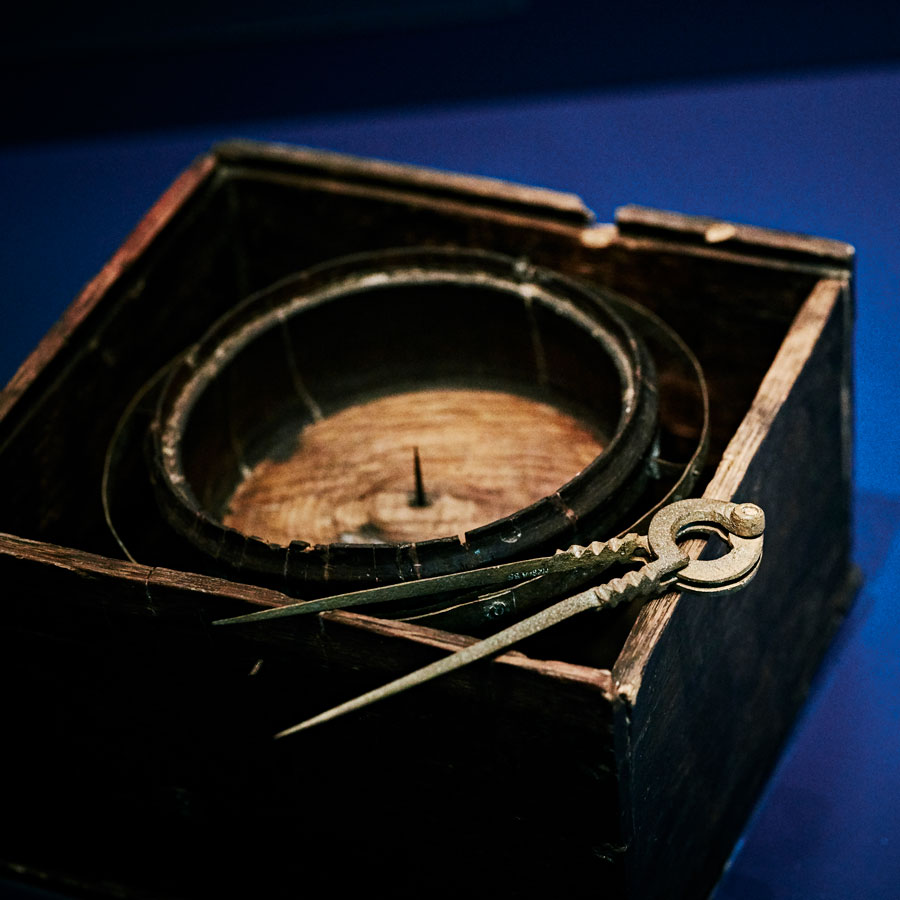
The basic tools of navigation involve the measurement of time, distance, direction and depth. Equipment for measuring all of these factors was found on board the Mary Rose.
Three compasses were found on the Mary Rose, including the earliest known gimbaled compasses found in the western world. There were also two pairs of dividers, with the earliest known dividers case in the west.
The equipment gives us a very good indication of what Tudor navigators were able to do, and what they couldn’t do. For instance, there was no deep-sea navigational equipment found on board.