


The Mary Rose - logo
Cowdray Engraving of the battle in the Solent Getting ready to dive Conservator on the main deck of the Mary Rose Child playing a drum
The Ship History Life on Board The Mary Rose Project Learning Archaeological Services Home  

Search


Life on Board Menu

Introduction
The Crew
Barber-Surgeon
Carpenter
Food and Drink
Clothing
Coins
Literacy
Navigation
Links

Life on Board - Introduction

This section of the site looks at some aspects of life on board the Mary Rose, and at some of the artefacts discovered on the wreck.

It is a touch eclectic, relying on material we have prepared already. Hopefully this section will expand over time to provide a more comprehensive resource.

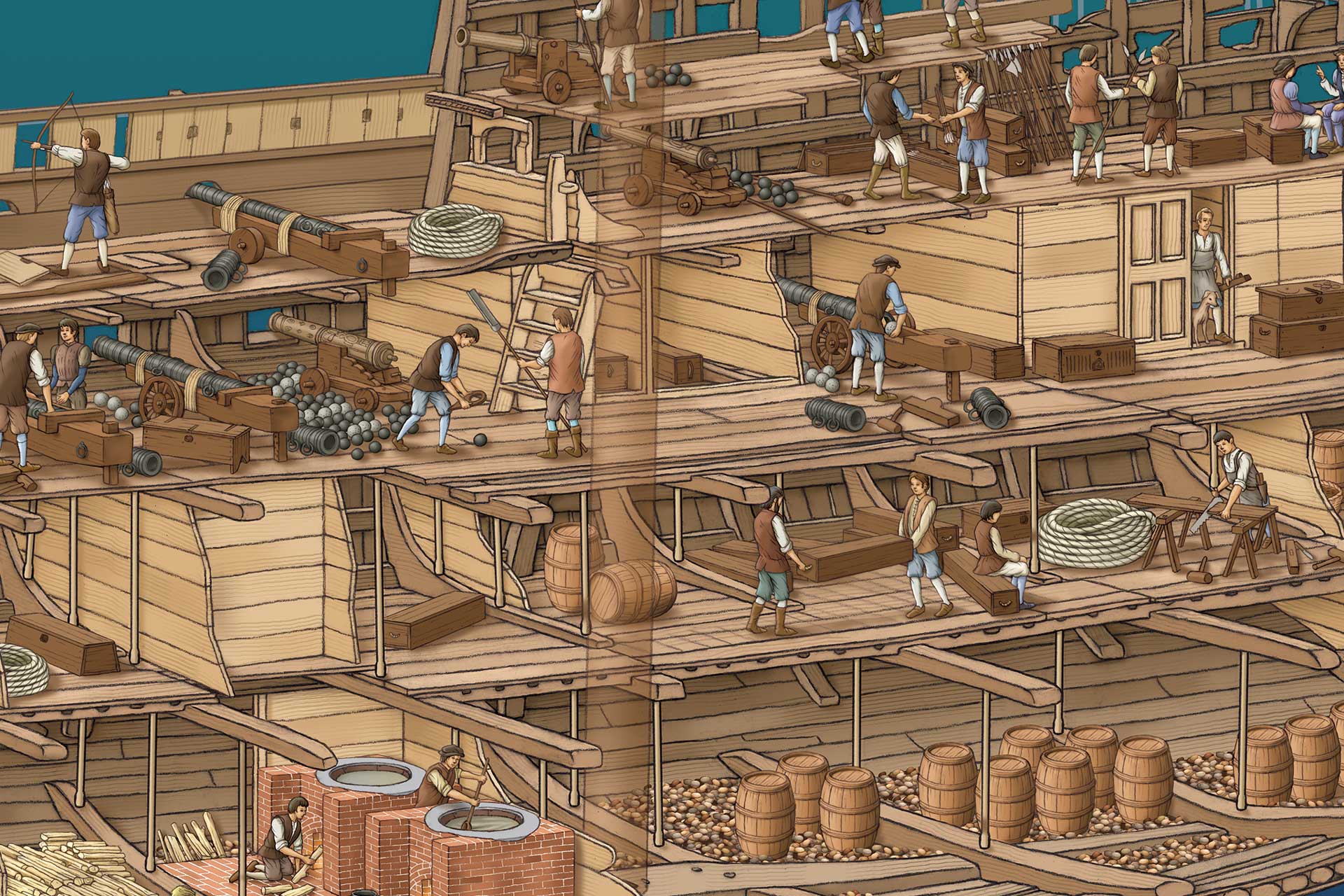
In 1545, the Mary Rose is recorded on the Anthony Roll as having a crew of 200 sailors, 185 soldiers and 30 gunners, a figure that seems to have remained fairly constant throughout her career.

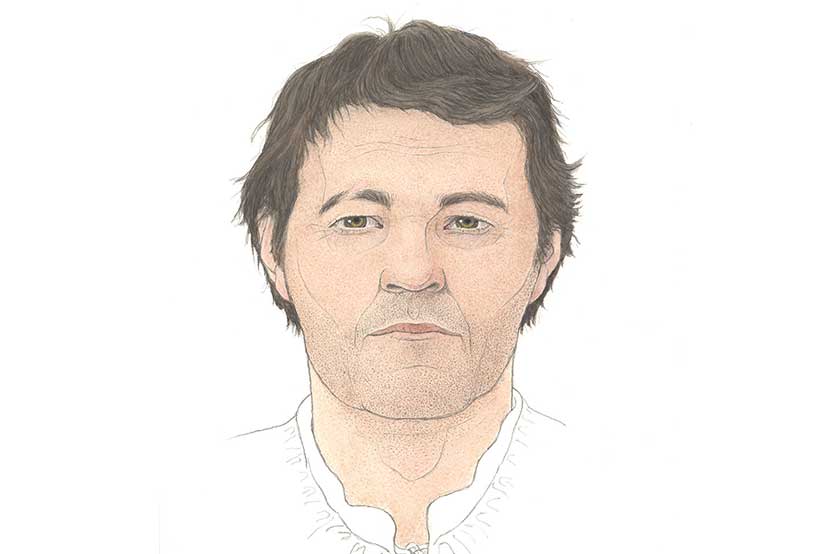
The remains of around 200 individuals were found on the wreck and these have been studied. Perhaps not surprisingly they were mostly fit young men, although there were a few boys and men in their forties. The average height of the men on board was five feet seven and a half inches.

We only know the names of three of the crew; the Vice-Admiral, Sir George Carew; the Captain, Roger Grenville; and a John Reade. Sir George Carew was made Vice Admiral at the last minute with the French Fleet almost in sight, and received a gold whistle on a chain from Henry VIII as his badge of office.

Conditions for the crew must have been cramped and overcrowded, but for the period they were comparatively well paid and looked after.

In January 1545, the pay for a mariner was raised from five shillings to six shillings and eight pence a month.

personal possessions

Personal possessions of the crew

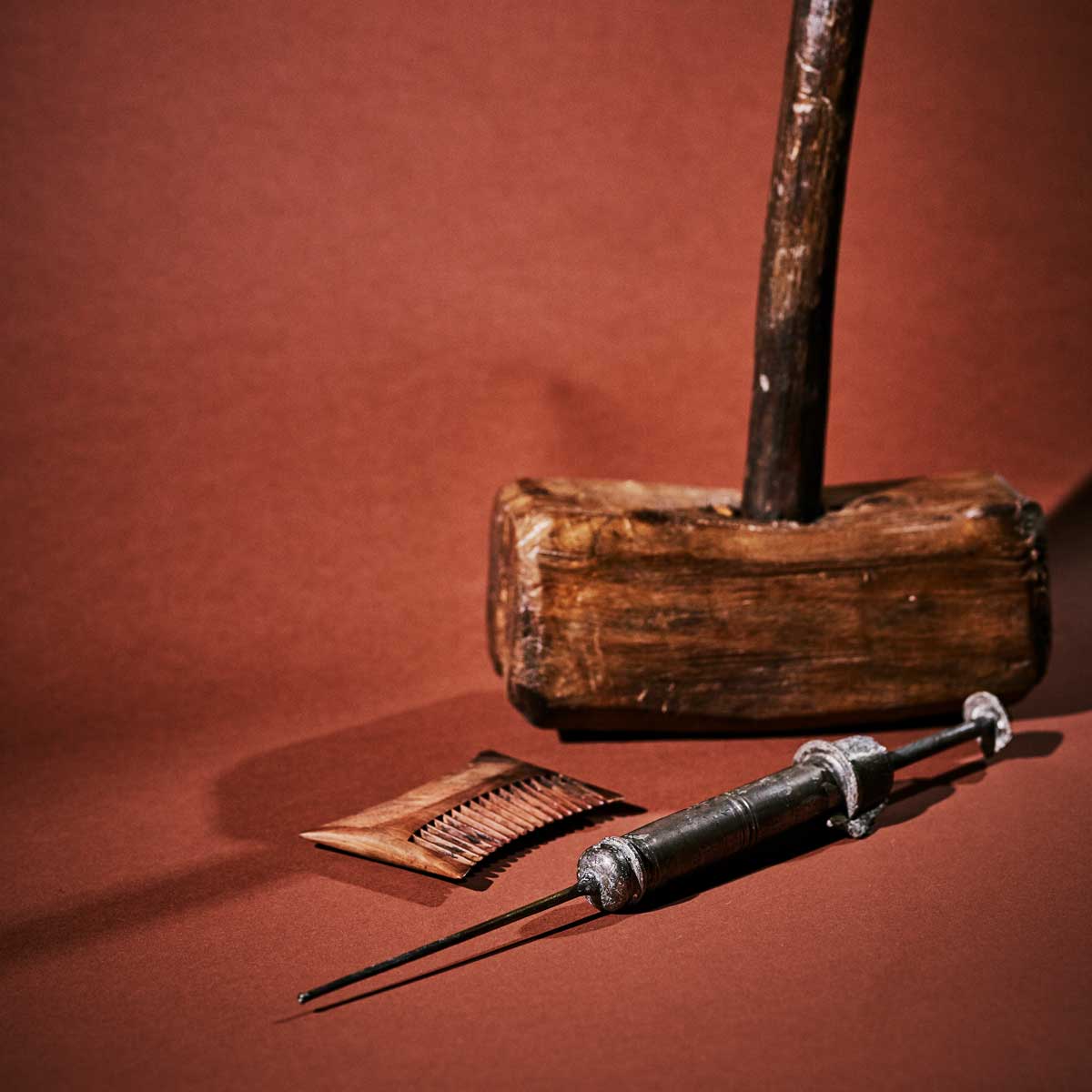
Many of the artefacts found on the ship were personal possessions of the crew. Gaming appears to have been very popular, dice were found in chests and leather pouches and a splendid backgammon set was discovered in the carpenter's cabin.

There are numerous letters written by the commanders of the Mary Rose in the historical archives, and quill pens and inkwells of the type used to write them were found on the wreck. Leather book covers survived in the silt but the pages have unfortunately deteriorated. The illiterate members of the crew often marked their possessions with graffiti.