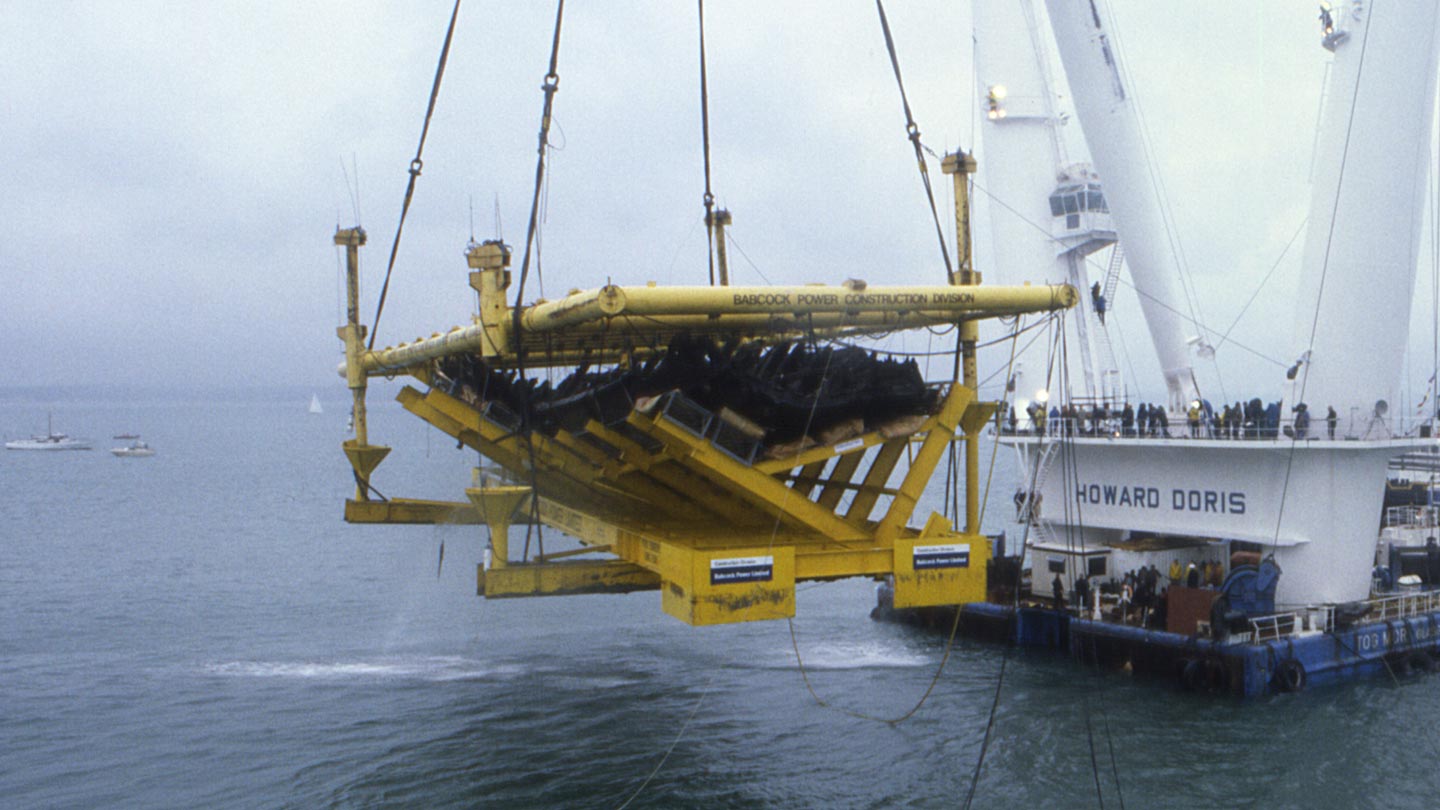
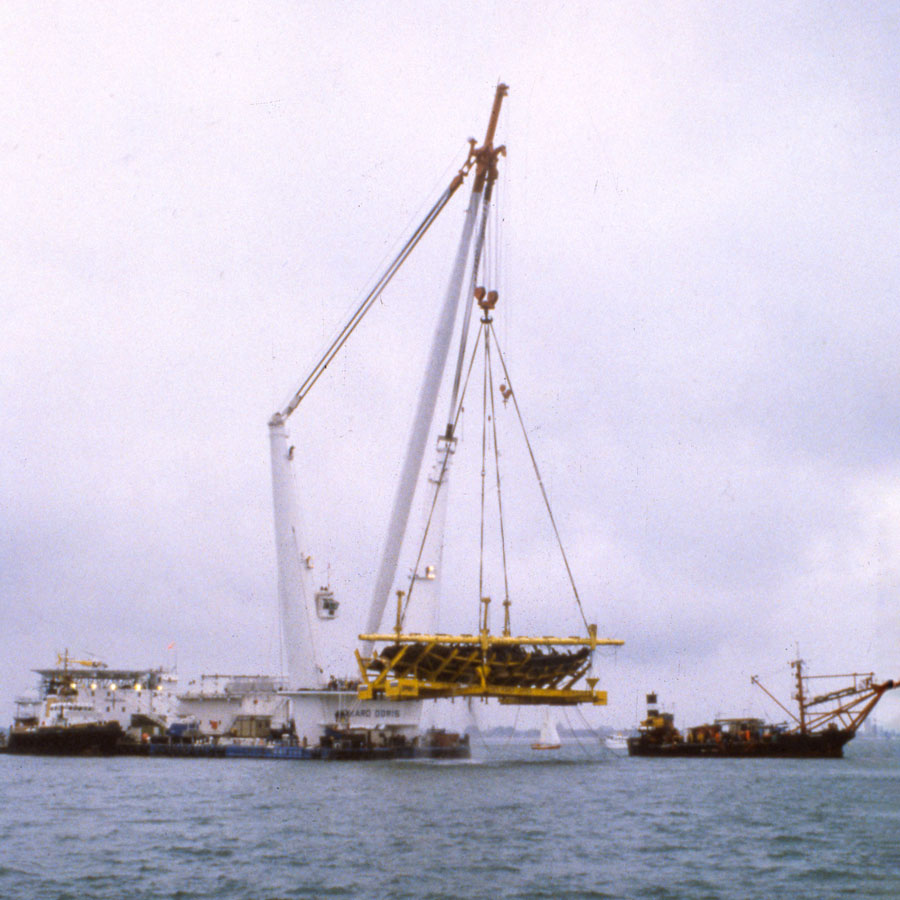
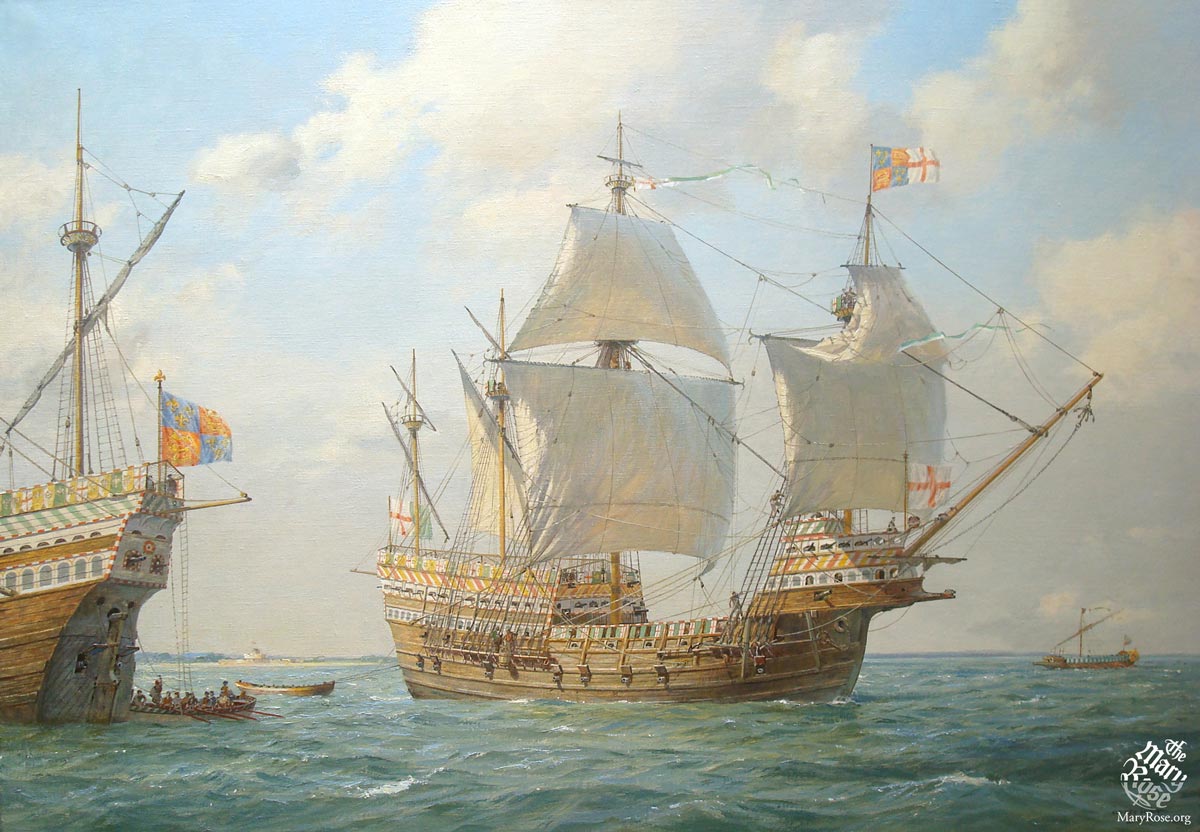
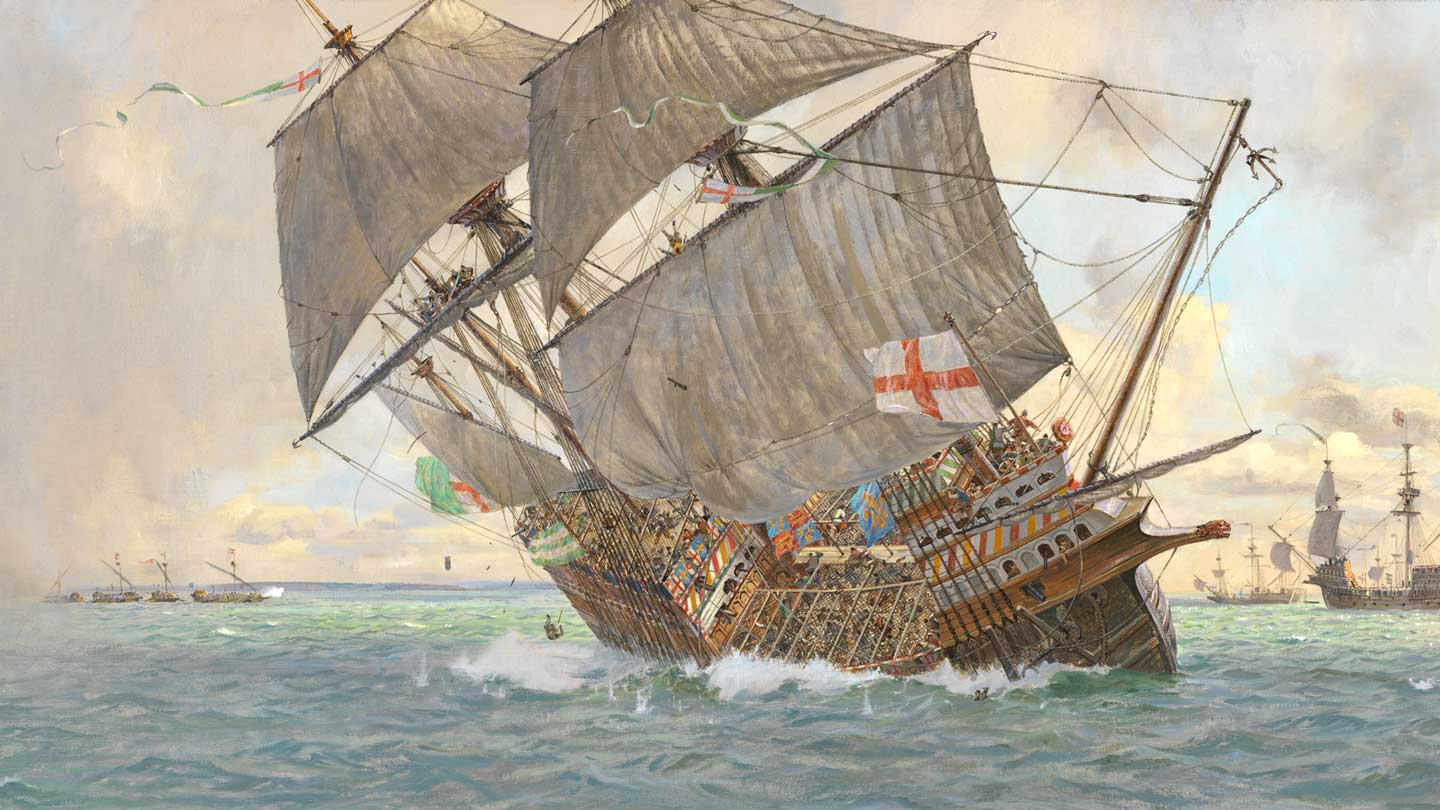
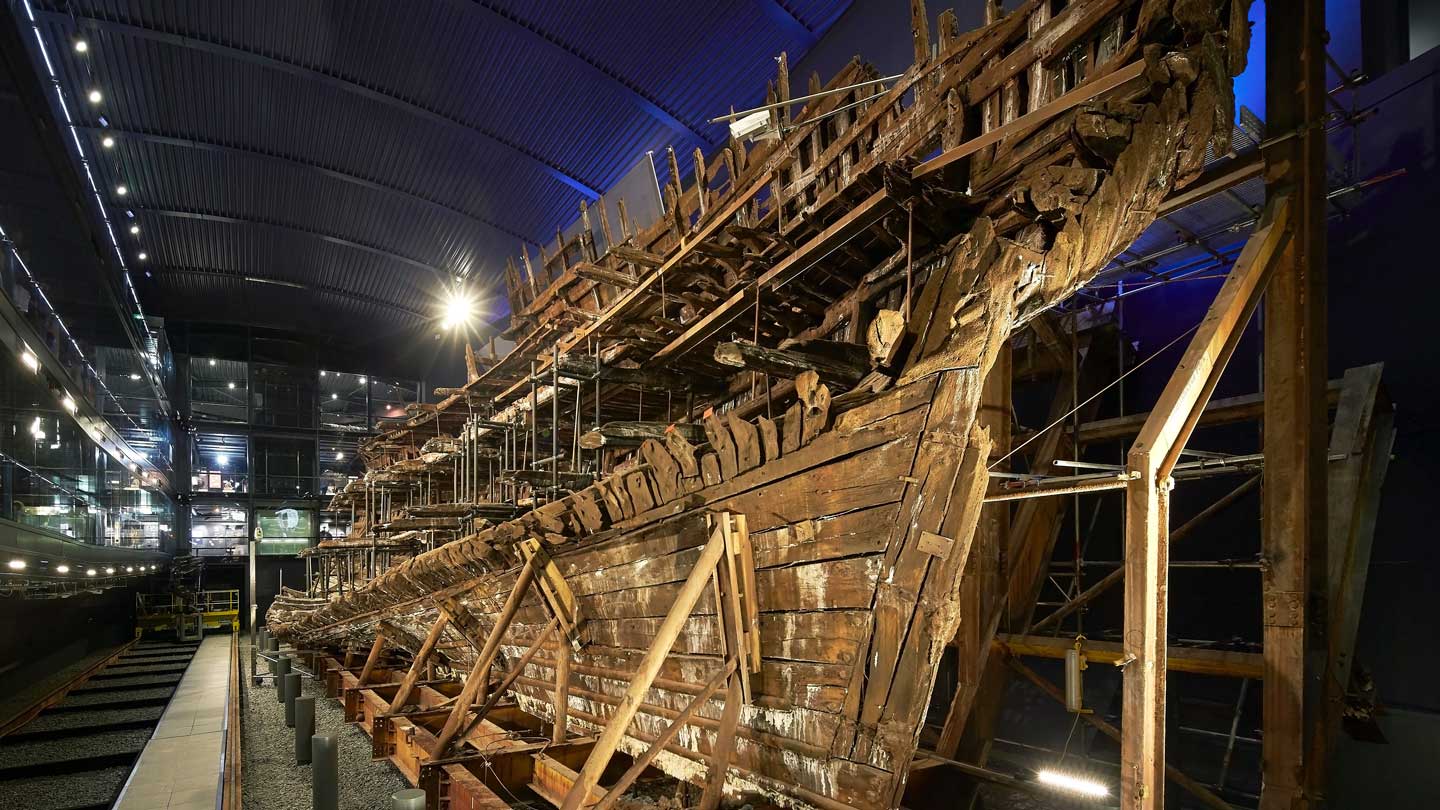
The Mary Rose was raised on 11th October 1982, following many years of searching, excavation, and recording. Henry VIII’s ship was finally returning home to Portsmouth Dockyard, where she had been built almost 500 years earlier.
A team including divers, archaeologists, engineers, and scientists was needed to excavate and raise the Mary Rose. Amateurs and professionals alike were dedicated to the cause.
The scale of the excavation was unprecedented and required ingenuity and innovation. It set new standards in underwater archaeology (survey, photography, and excavation) and in conservation.
The search: 1965-1970
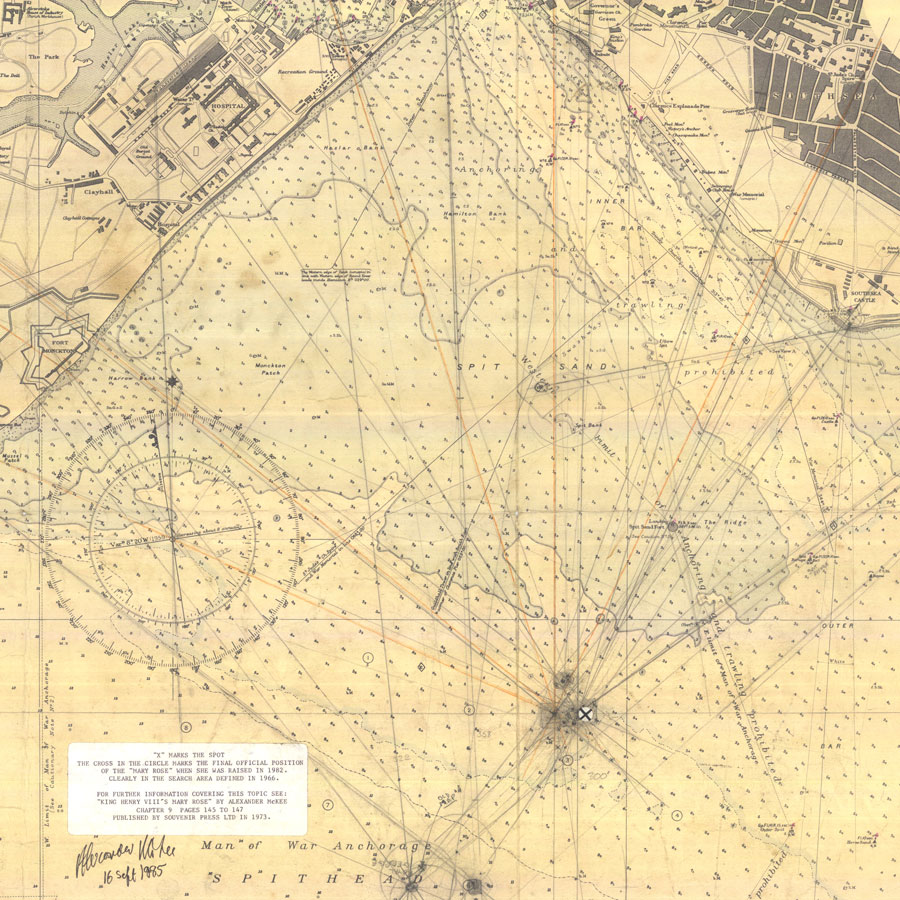
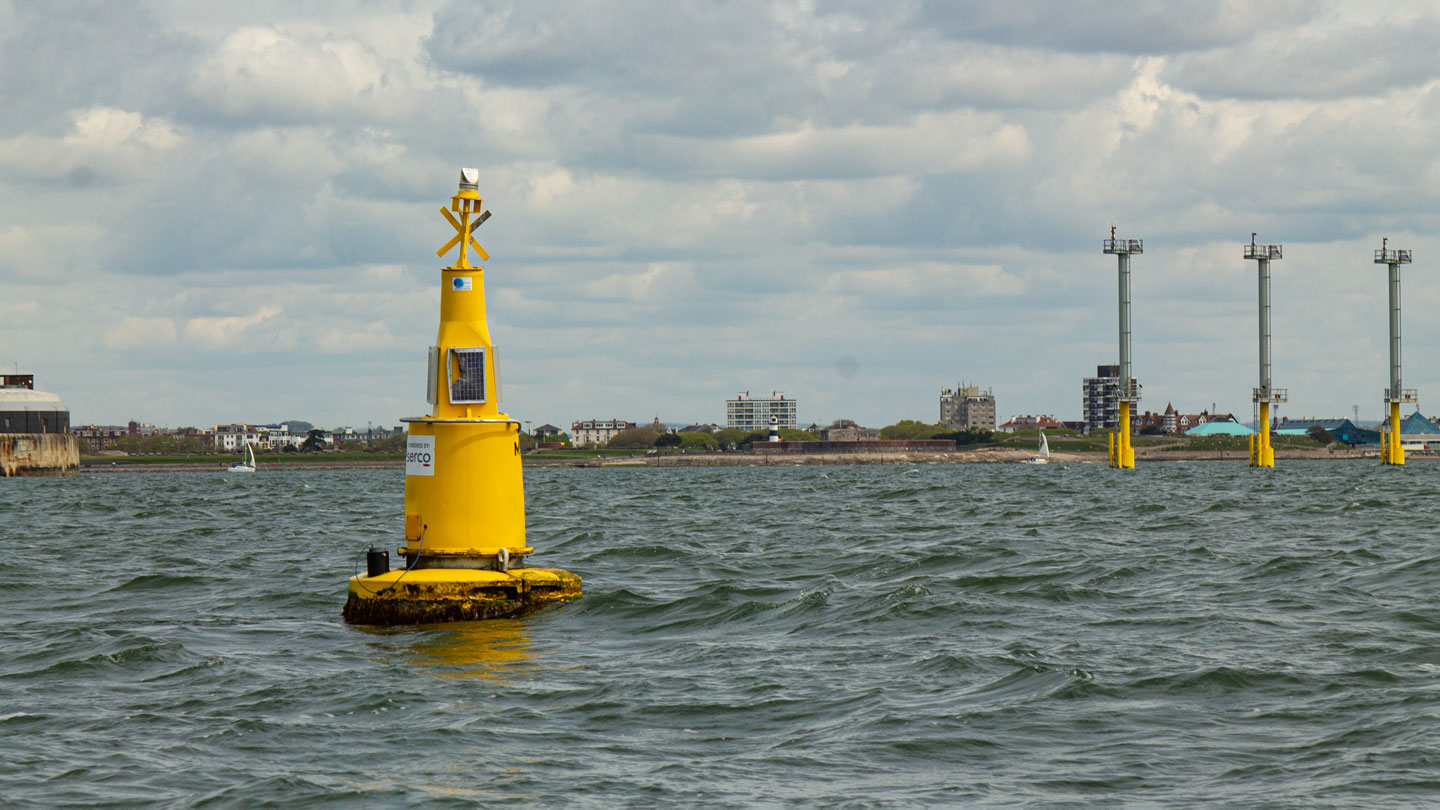
The search for and discovery of the Mary Rose was a result of the dedication of one man, the late Alexander McKee. In 1965, in conjunction with the Southsea branch of the British Sub-Aqua Club, McKee initiated ‘Project Solent Ships’ to investigate wrecks in the Solent. With him was land archaeologist Margaret Rule. His real hope was to find the Mary Rose. In 1966 while searching for charts in the Navy’s Hydrographic Department a chart dated 1841 revealed the positions of three historic wrecks. One of these was the Mary Rose.
Refining the search area and using new techniques of side-scan and sonar and sub-bottom profiling, the team discovered a strange ‘W’-shaped feature beneath the seabed. Based on this the ‘1967 Committee’ was formed to lease an area around the buried feature from the Crown Estates, giving the Committee exclusive rights to dive the site. Between 1968 and 1971, a team of volunteer divers combed the area. Using dredgers, water jets and airlifts, they began to excavate and were encouraged by the appearance of stray pieces of timber. In 1970 a wrought iron gun of a 16th century style was found redefining the search area.
The climax came when diver Percy Ackland found three or four frames of a ship on the 1st May 1971. By the end of the day a row of frames had been exposed over a length of about 30 metres with planking to one side. The tops were eroded, but clean sharp faces could be felt beneath the silt. The Mary Rose had been found.
The early years: 1971- 1982
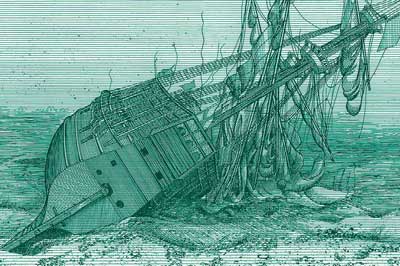
Frames, planking and deck beams were seen and surveyed and a series of small excavations outside the ship were carried out to find out how much might have survived. In 1975 and 1976 a trench was cut at the south end of the structure, revealing large transom beams forming the back of the ship and part of the sternpost and rudder. The ship was on her starboard side at an angle of 60 degrees from the vertical.
In 1978 a trench across the wreck at the bow proved that two decks survived in situ at this point, but that the bow of the ship was missing. Two meetings were held to decide what to do. One considered the archaeological and historical importance of the ship and artefacts, and the other considered the logistics. Both groups voted for excavating the ship and recovering the empty hull to form the centrepiece of a museum in Portsmouth. The Mary Rose Trust was formed in 1979 with the former Prince of Wales as president. A shore base and a diving support vessel were sourced with full-time archaeologists, finds staff, administrators, conservators, and fundraisers. They were helped by over 500 volunteer divers, and many more volunteers on shore. This is still the case today.
The excavation: 1979-1982
In March 1979 the salvage vessel Sleipner was moored on site. This large vessel meant that divers and finds staff could work in shifts, accelerating the diving programme.
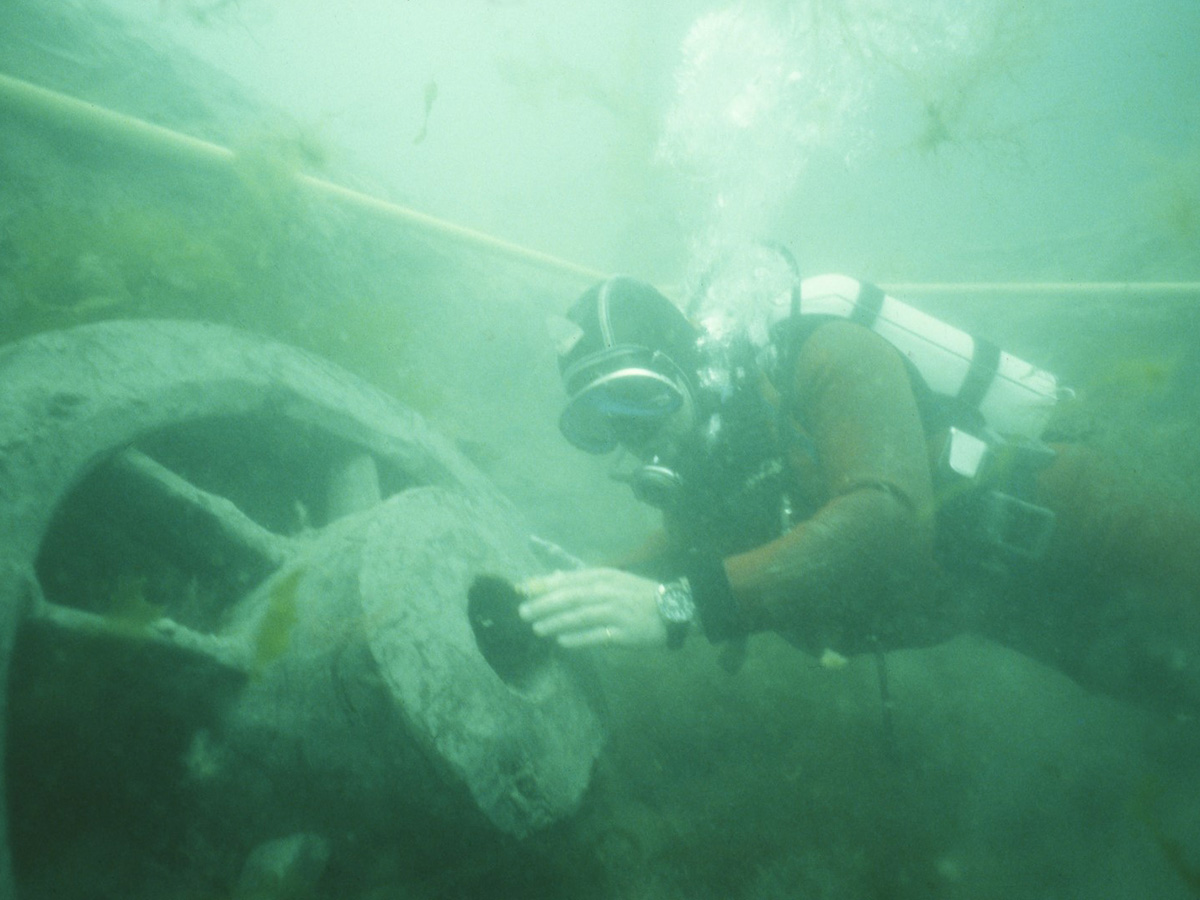
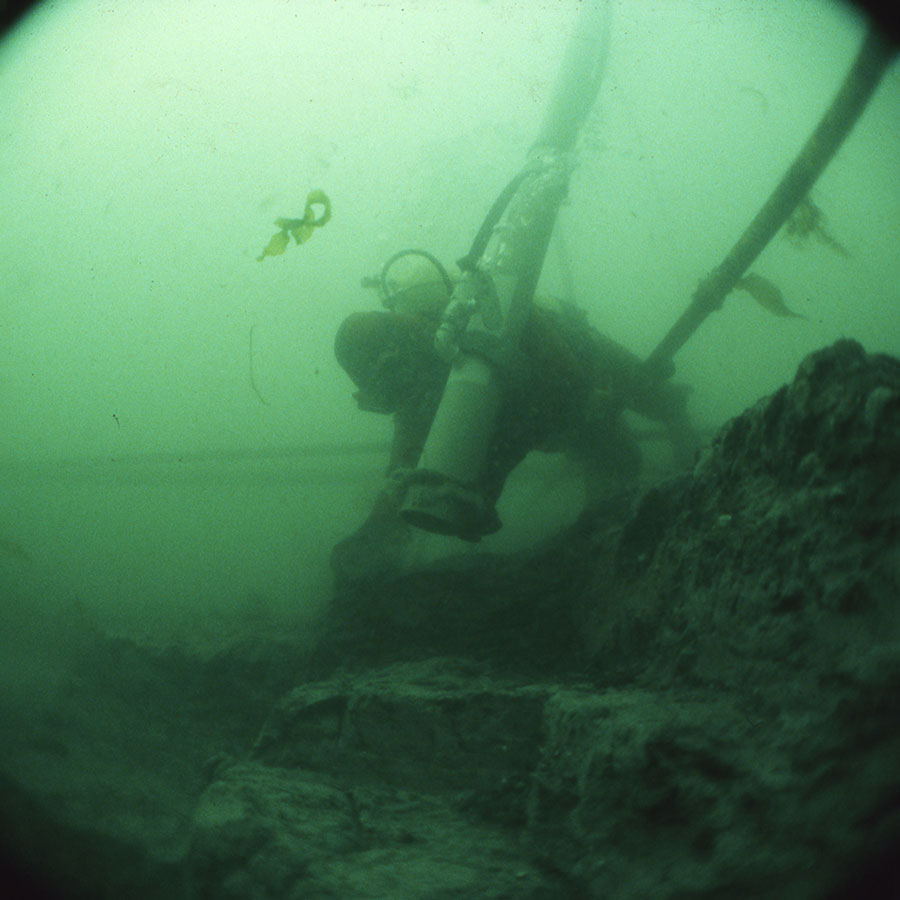
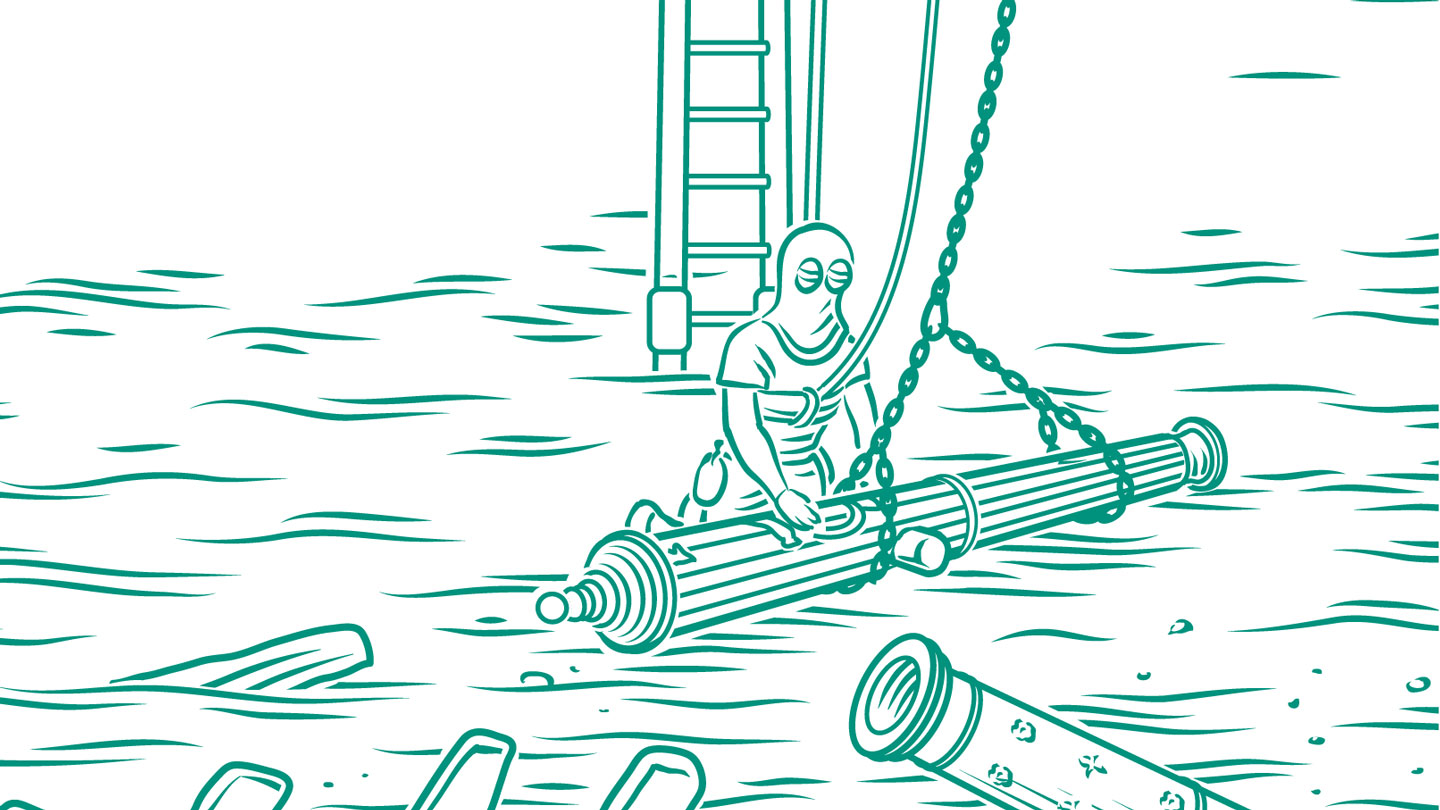
Divers carefully used hands, trowels, paintbrushes and airlifts, gently wafting silt away from delicate artefacts and depositing it down tide. A grid of bright yellow pipe was erected over the site, essentially dividing it up into small areas corresponding with the decks and main beams of the ship. Clearly labelled, the grid was used as a support for working divers and as a means of easily locating their allocated work area. Artefacts and timbers were surveyed and recorded (often with a sketch plan) onto a uniquely numbered dive log together with the artefact numbers given to objects raised. The finds staff onboard also generated a card for each artefact/timber/sample with descriptions and basic measurements. Where possible chests were raised intact so they could be excavated in slow time on deck in more controlled conditions.
The raising of the Mary Rose: 11th October 1982
A committee was set up to consider many different methods of raising the hull. They decided to use a purpose-built lifting frame that would be attached by wires to steel bolts passing through the hull at carefully selected points. These points were spread evenly across the ship, mainly in the major structural beams.
The tubular steel lifting frame was placed in position over the wreck supported on four legs inserted into pre-dug holes in the seabed. The hull was wired to crossbeams on the frame from eyes on the inside end of bolts going through the structure. Hydraulic jacks on the legs of the frame then raised the hull a few critical centimetres to reduce the suction effect of the silt below. The lifting frame was then attached to strops going to the hook on the crane barge Tog Mor.
Hanging from the frame, the hull was transferred into a bespoke steel cradle placed on the seabed close to the wreck. When the weather and tide were favourable, the cradle containing the hull was raised to the surface by the crane Tog Mor, placed on a barge and towed ashore.