Check out our ticket options and book your next visit to the Mary Rose Museum.
A guided tour is the perfect way to explore the Museum’s collection in more detail.
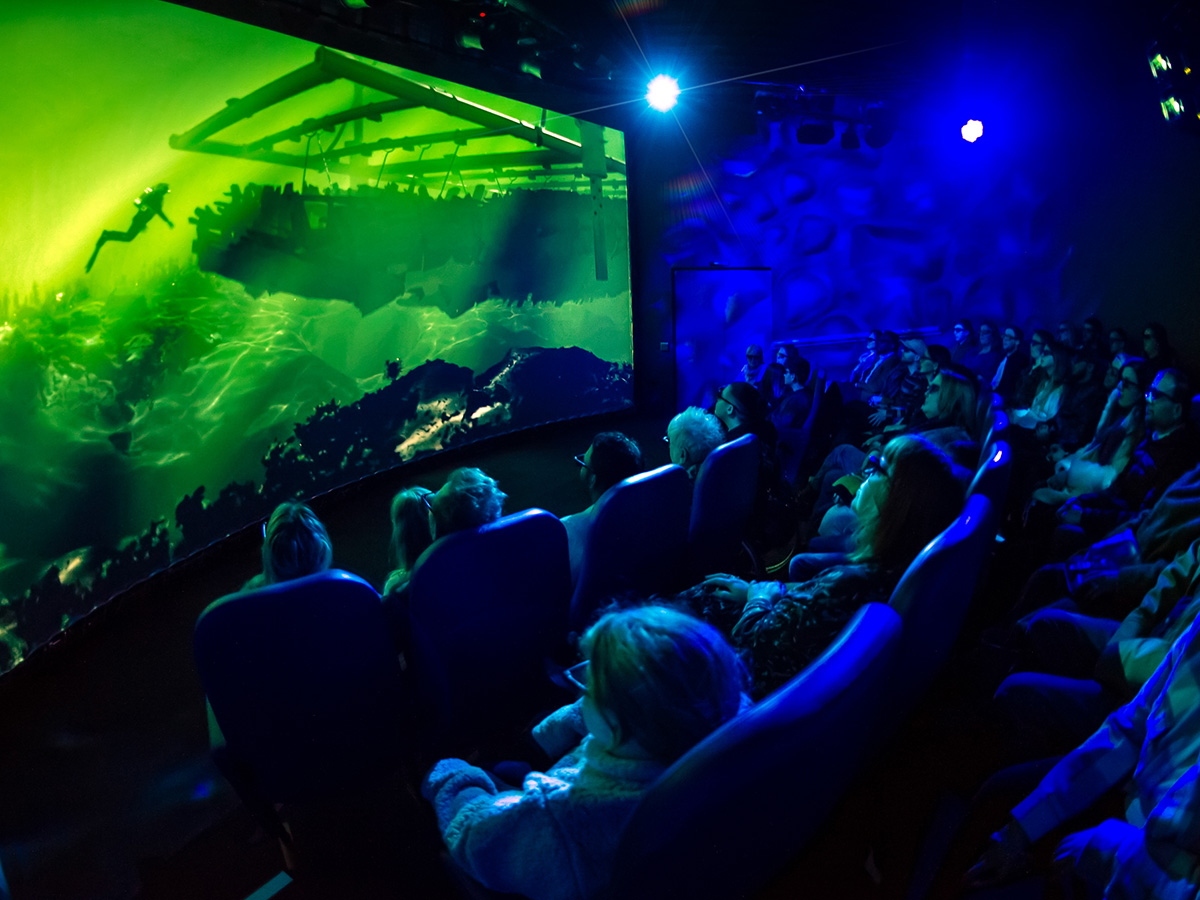
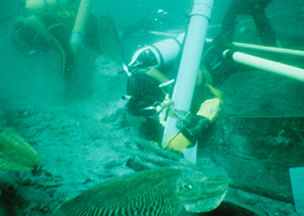
How the Mary Rose was rescued from the seabed
Explore life on board the Mary Rose as you meet the crew!
Your donation will help us cover annual costs, maintain the ship, collections, and Museum, and develop new educational, community and interpretation projects.
Discover the Mary Rose’s history, from the Tudor era through to today. Peek through our collections in the Artefact Gallery, gain an understanding of maritime conservation, and learn about our research and archaeology.
Learn about our must-see exhibits and objects.
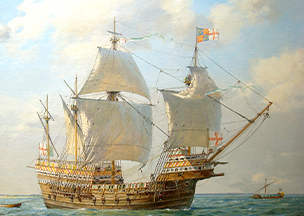
Discover the Mary Rose’s unique history, from Tudor warship to shipwreck, to iconic modern museum.
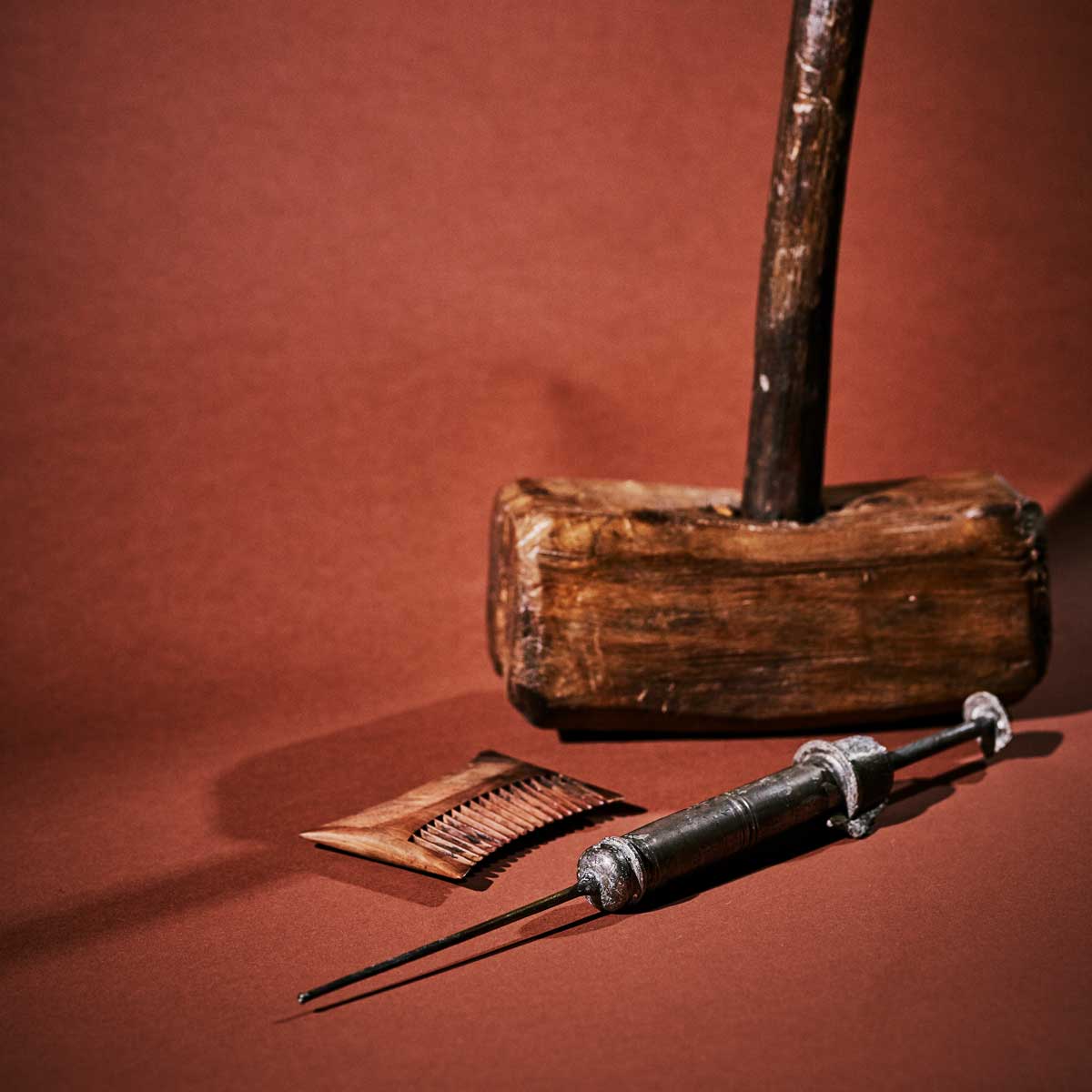
Explore the largest collection of Tudor objects in the world.
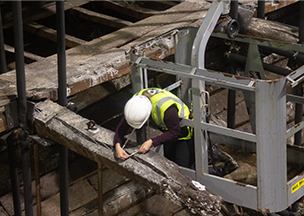
Discover the story behind one of the largest conservation projects ever undertaken!
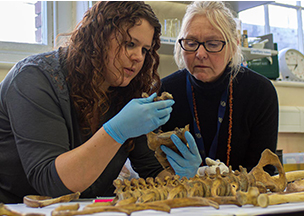
Discover our decades of research, from DNA, skeletal and isotope analysis.
View a curated collection of our Tudor artefacts.
Learn about decades of ground breaking maritime archaeology.
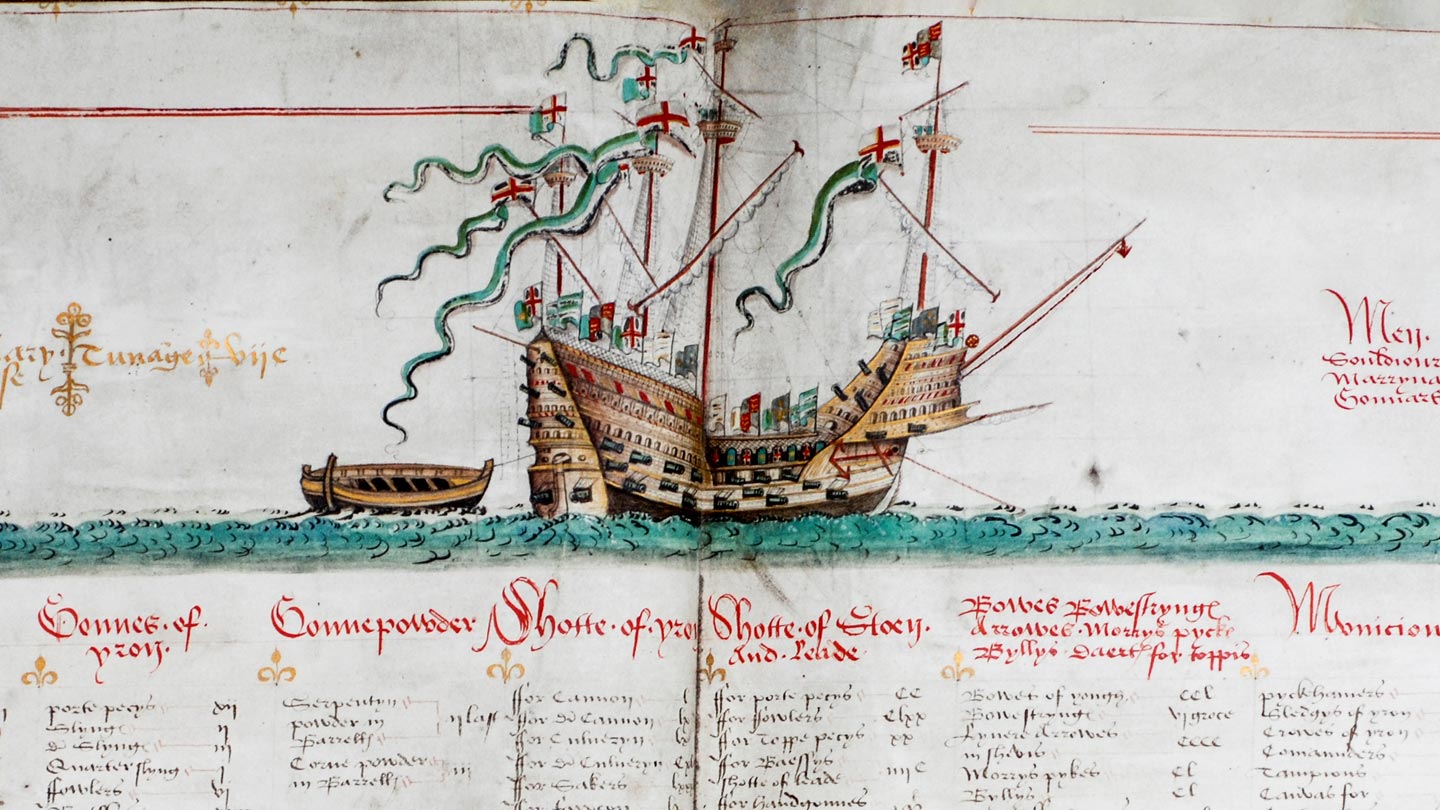
Explore paintings and images of the Mary Rose, recreating Henry VIII’s famous warship.